
Short answer: For a typical brand backpack order, start by asking how the factory checks loaded-bag durability, strap and seam strength, and color transfer. An oscillation impact tester, tensile tester and rubbing colorfastness tester address those risks. Add salt-spray, color-matching and edge-flex checks when the design uses metal hardware, multiple color-matched components or painted edges. A drying oven supports specific test methods; it is not a universal pass-or-fail test for backpacks.
This is a bag factory laboratory equipment checklist, not a universal mandatory equipment list. International brands, retailers and corporate buyers should choose tests according to the backpack’s materials, intended load, destination market and their own specification. Senrong’s in-house equipment covers several physical and appearance checks relevant to backpacks and other sewn bags. It helps the team spot risks during development and production, but equipment ownership alone does not certify a product.
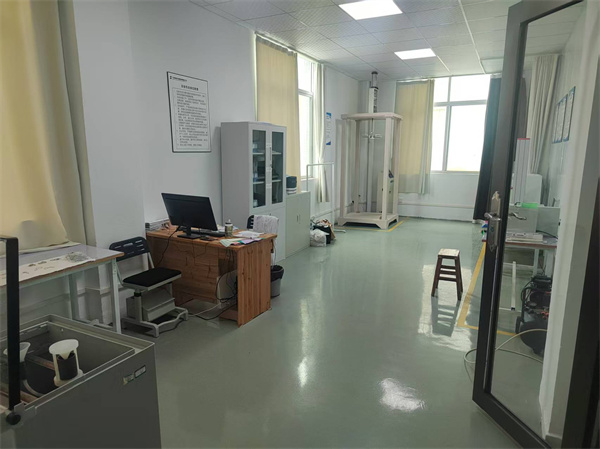
Recommended equipment by backpack risk
The order below follows the questions buyers usually need to resolve for a sewn backpack. It is a practical checklist, not a sales ranking or a claim that every brand requires every machine.
| Equipment | When to consider it | What the buyer can assess |
|---|---|---|
| Oscillation impact tester | Loaded commuter, school and travel backpacks | Whether repeated movement exposes seam opening, strap damage or loose components |
| Tensile tester | Load-bearing straps, handles, webbing and stitched connections | Strength of the selected material or assembly under an agreed pull test |
| Rubbing colorfastness tester | Dark fabric, printed panels or materials that touch clothing | Dry and wet color transfer under the specified method |
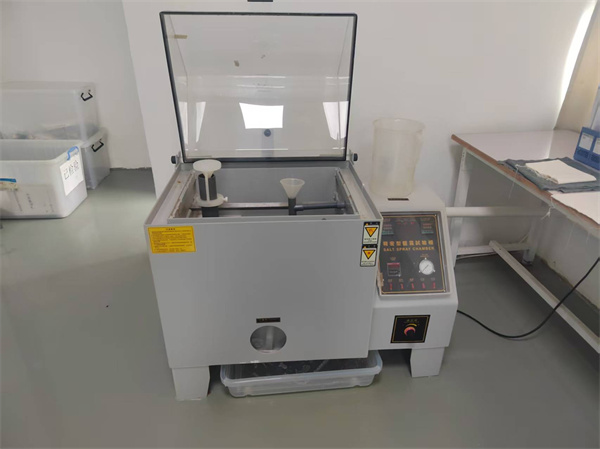
| Salt-spray chamber | Metal buckles, zipper pulls or decorative hardware | Relative corrosion performance of selected finishes |
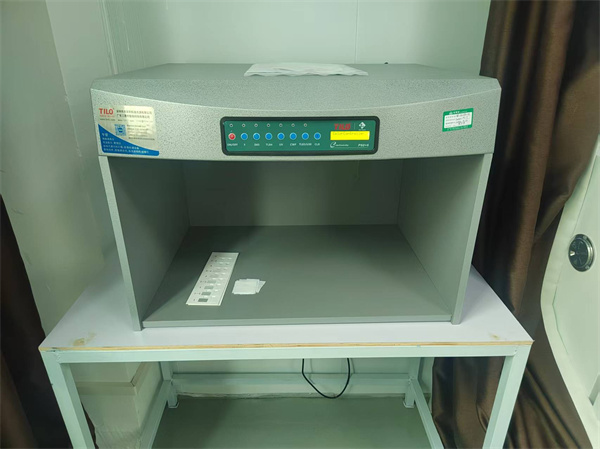
| Standard-light viewing box | Multiple fabric, webbing and trim colors or repeat colorways | Visual color matching under controlled lighting |
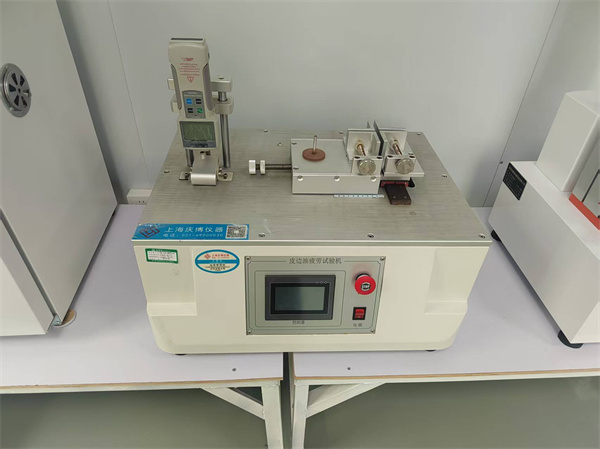
| Edge-finish flex tester | Painted or coated edges on applicable straps and handles | Cracking, peeling or layer separation after repeated bending |
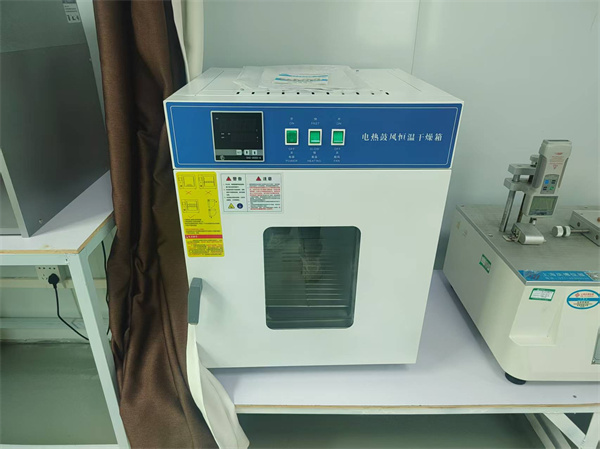
| Constant-temperature drying oven | Test methods that require controlled drying or sample preparation | Support for the agreed method, rather than standalone backpack certification |
1. Repeated movement and strength checks for loaded backpacks
A backpack carries weight through its shoulder straps, handle and stitched attachment points. An oscillation impact tester moves a loaded bag repeatedly so the team can inspect seams, strap roots, zippers and connectors afterward. QB/T 2922 is one method referenced in Senrong’s testing materials for this check. The load and cycle count should follow the applicable product specification and the buyer’s agreed protocol.
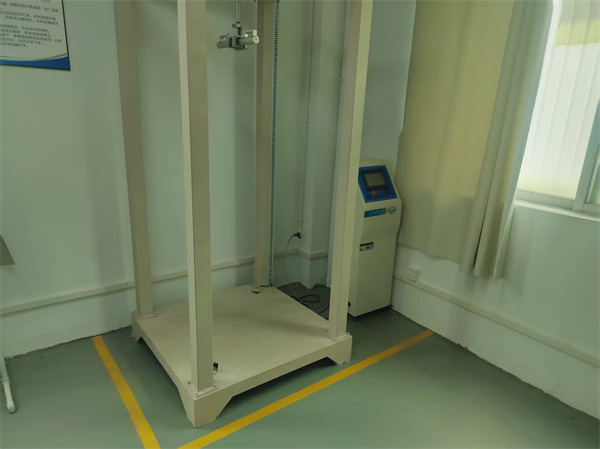
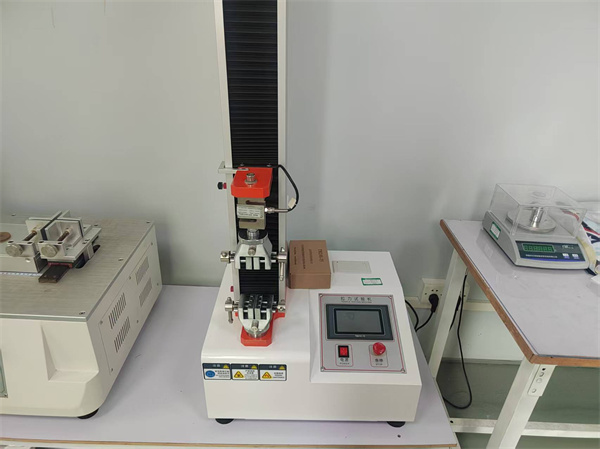
A tensile tester answers a related but different question: how much pulling force a material, seam or connection withstands in the chosen test setup. It is useful for webbing, handles and strap attachment construction. For a new custom backpack, these checks can help the buyer and factory decide whether to revise the stitch pattern, reinforcement or material before approval.
2. Color transfer and appearance checks
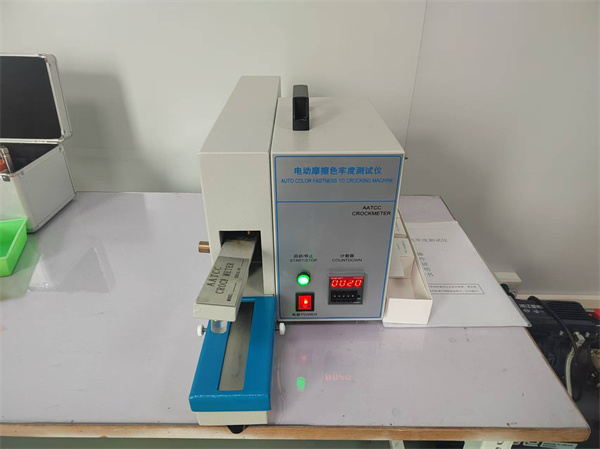
Backpack fabric can rub against a shirt throughout the day. Dry and wet rubbing tests examine whether color transfers from the material or print. An electric crockmeter runs the rubbing test, and the test cloth can be assessed against a gray scale. A buyer should specify the fabric, colorway, test method and required rating rather than assume that all materials behave alike.
Color consistency is another common approval issue, especially when a backpack combines body fabric, webbing, zipper tape and printed parts. A standard-light viewing box provides a controlled environment for comparing approved swatches with incoming material and production samples. It can also reveal a mismatch that is less obvious under ordinary room lighting.
3. Hardware and finish checks for the intended use
Zipper pulls, buckles and other metal parts may be exposed to humidity during storage, shipping and use. A salt-spray test can help compare the corrosion resistance of selected finishes. It is an accelerated laboratory check, not a literal simulation of every shipping journey or a promise of a particular service life. QB/T 3826 is one method cited in Senrong’s testing materials for applicable hardware.
For designs with painted or coated edges on straps and soft handles, repeated flexing can expose cracking, peeling or layer separation. Senrong’s edge-finish fatigue equipment helps the development team compare constructions before a style enters volume production. This check applies to relevant edge-finished components, not every fabric backpack.
4. Controlled sample preparation
A constant-temperature drying oven supports preparation or drying steps where the chosen material test requires them. It can also help the team observe whether a material changes visibly under a specified heat condition. Temperature and duration must be selected for the material and method; an oven photo by itself does not establish a product’s heat resistance.
What an international brand should agree with the factory
A useful testing discussion starts with the actual backpack: its intended load, destination market, materials, hardware, colorways and use conditions. The buyer and factory can then agree which samples to take, the applicable method, the acceptance limit, the report format and the action if a result falls short. Tests on a development sample help refine construction. Production sampling checks whether the approved construction has been maintained.
Before placing a brand order, ask the factory to identify the sample and test date, the method and acceptance limit, the actual result, and how any failure was corrected. Equipment photos show what a laboratory has; a recorded result shows what happened to a particular sample. If a buyer needs a third-party report, agree on the laboratory and scope in advance.
QB/T 1333-2018 is a general handbag and backpack reference used in Senrong’s internal testing plan, alongside methods for specific checks. A global brand’s own specification or the rules for its destination market may require different or additional testing. Internal laboratory work does not replace an independent, accredited third-party report when a buyer requests one. A factory audit and a product test also answer different questions. Buyers can review our factory environment and published audit and certificate information separately from a product-specific test plan.
Questions buyers often ask
Does every brand backpack factory need every machine in this list?
No. The useful equipment depends on the design and the customer’s test specification. A simple fabric backpack and a hardware-heavy travel backpack do not have identical risks.
Does an in-house laboratory mean every backpack is certified?
No. The equipment supports internal checks. Certification, third-party testing and customer approval require their own scope, documents and results.
Which checks matter most for a commuter or school backpack?
Strap attachments, load-bearing seams and color transfer are useful starting points. Hardware corrosion, color matching and other checks depend on the design and buyer requirements.
When should a buyer request tests?
Discuss the test plan before sampling, review the approved sample against it, and define any production-stage sampling before the order is placed.
If you are sourcing a custom backpack factory with testing capability, send Senrong your design, materials, target load, destination market and required test protocol. Explore our backpack range, then contact our team to discuss an OEM or ODM development and testing plan.