
2026 US-China Trade Outlook: Deep Impact and Critical Opportunities for the Bag Manufacturing & Sourcing Industry
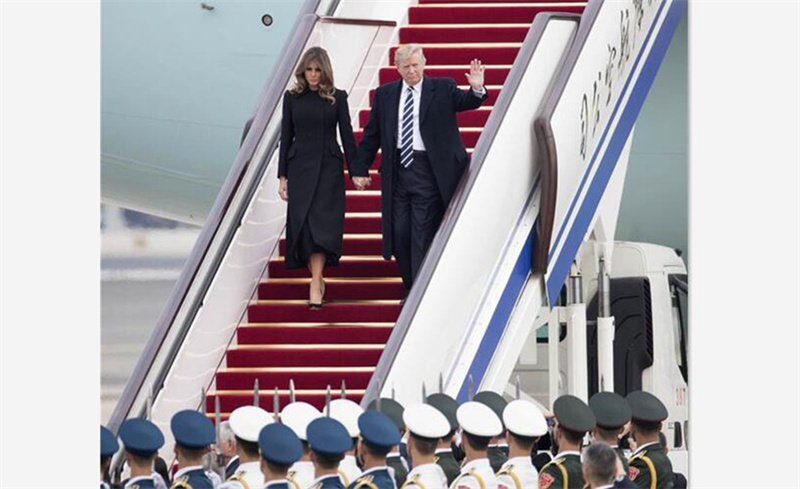
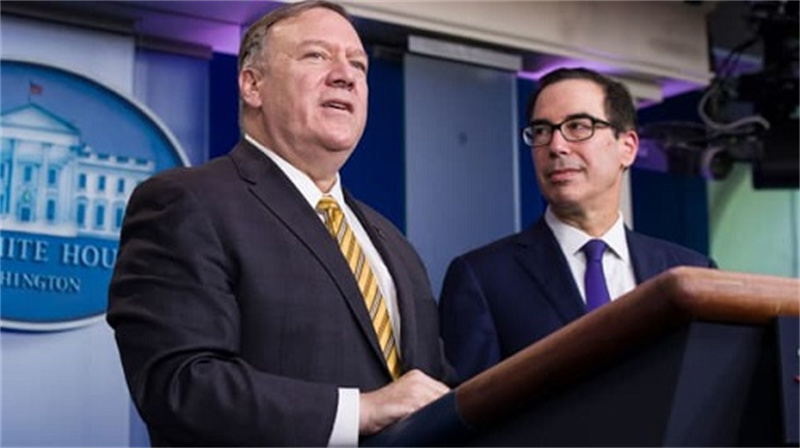
Following the high-level US-China diplomatic meetings in May 2026, both nations have officially signed a binding bilateral trade memorandum. Jointly issued and backed by the Department of the Treasury and the Department of Commerce, this milestone agreement establishes a solid 18-month stability period and a 3-year strategic framework. This shifts the global trade environment away from recent policy instability and sudden tariff escalations into the most predictable and highly lucrative golden window (Bag Manufacturing)for e-commerce brands and sourcing buyers in years.
For the bag manufacturing and export sector—which heavily relies on agile global supply chains and North American distribution—this policy reset introduces major structural cost reductions and logistical advantages. Below is a data-driven analysis of how these recent trade regulations directly benefit international bag sourcing, product pricing, and bulk order fulfillment.
1. Framework Shift: Moving from “Short-Term Truce” to “Strategic Stability”
The primary value of this 2026 agreement is long-term predictability. It allows global bag brands and procurement managers to plan high-volume sourcing roadmaps without the constant fear of sudden, disruptive supply chain adjustments.
| Dimension | Previous Trade Landscape | Post-2026 Strategic Landscape |
|---|---|---|
| Policy Predictability | Unpredictable tariff threats, annual friction, and short-term policy shifts making long-range ordering impossible. | An absolute 18-month stability period combined with a 3-year structured strategic framework. |
| Enforcement Mechanism | Verbal consensus or temporary agreements lacking substantial legal and institutional weight. | Official written bilateral memorandum backed by Treasury and Commerce departments with statutory compliance. |
2. Hard Policy Deliverables: Operational Sourcing Costs Expected to Drop by 10%–24%
The targeted policy adjustments directly optimize tariffs, maritime logistics, and supply-side compliance, expanding the profit margins for both manufacturers and global sourcing buyers. The specific impacts on bulk bag manufacturing include:
| Policy Metric | Direct Advantages for Bag OEM/ODM Sourcing |
|---|---|
| Tariff Suspensions | Significantly lowers landing costs for North American importers. Overseas brands can finalize high-volume orders without inflating quotes for “policy risk premiums”. |
| Raw Material Supply | Stabilizes upstream costs for core bag hardware components (e.g., metal zippers, aviation-grade aluminum buckles, and specialized tactical fasteners). |
Driving Forces: Tech & Supply Chain Titans Regaining Confidence
Major industry leaders in EV, consumer electronics, and semiconductors are heavily driving this normalization, ensuring that upstream industrial capacities and raw material supplies remain rock-solid for all manufacturing sectors, including textiles and bags.



3. Key Sourcing Transformations Occurring Over the Next 1–3 Months
With macro-policies stabilized, the cross-border procurement lifecycle is adapting rapidly. Importers and brand owners can expect the following immediate changes:
- Streamlined Maritime Shipping Lines: Ocean freight lanes are returning to optimal efficiency. Standardized container pricing and drastically reduced random customs inspection rates ensure predictable transit timelines.

- Highly Competitive Factory Pricing: With the elimination of long-term tariff volatility, manufacturing facilities can leverage lean cost structures to offer highly optimized B2B quotes.
- Uninterrupted Production Capacities: Leading bag factories maintain deep raw material reserves and uninterrupted production schedules, ensuring seamless bulk product rollouts.
- Reintegration of Face-to-Face Sourcing Pipelines: Starting June 2026, direct US-China commercial flights will double in frequency, coupled with the streamlined renewal of 5-year business visas.

4. Actionable Strategic Directives for Global B2B Buyers
To capitalize on this 18-month regulatory window, cross-border e-commerce brands, corporate buyers, and distributors should adjust their sourcing strategy immediately:
- Accelerate Purchase Orders: Actively collaborate with sourcing partners to lock in raw materials and manufacturing line space during this stable tariff window.
- Optimize Sourcing Cost-Efficiency: Partner with vertically integrated manufacturers that leverage optimized raw material sourcing to secure the most competitive landing cost per unit.
Leverage the Trade Window: Partner with Senrong Bags for Compliant, High-Volume OEM/ODM Manufacturing
As a premier manufacturing infrastructure facility for international bag sourcing, Guangzhou Senrong Bags (Senrong Bags) deeply understands global trade compliance(Sedex 4p、Bsci、ISO9001), stringent material certifications, and the high-durability craftsmanship demanded by North American and European markets. Furthermore, as an integrated manufacturer with state-of-the-art production facilities in both China and Vietnam, Senrong Bags is uniquely positioned to flexibly accommodate your diverse sourcing requirements and global tariff mitigation strategies.
⚠️ Mandatory Notice for All B2B Buyers:
Senrong Bags operates exclusively as a contract manufacturing facility dedicated to servicing B2B brands, private labels, and enterprise Amazon sellers. We adhere strictly to a Custom-Only Bulk Manufacturing Model (OEM/ODM). We do NOT maintain or carry ready-made stock inventory, we do NOT support retail ordering, and we do NOT offer wholesale services for pre-existing designs. All production capacity is reserved solely for custom-engineered, made-to-order bulk production runs.
Capitalize on the 18-month golden trade window to secure your production lines. Contact the Senrong engineering and production team today to submit your tech packs or custom design blueprints to launch your next high-margin bulk line.