
How to Keep Japanese Retail Bag Orders Stable: 12 Years of Practical Lessons
After 12 years working on bag orders for the Japanese market, I have learned that long-term cooperation is not built on the lowest quote for one season. It comes from making each delivery dependable. One Japanese customer we have worked with since 2015 has placed more than 300 styles in a year. There are many designs, sometimes modest quantities per style, and often character-licensed products. The challenge is keeping standards consistent when the product mix keeps changing.
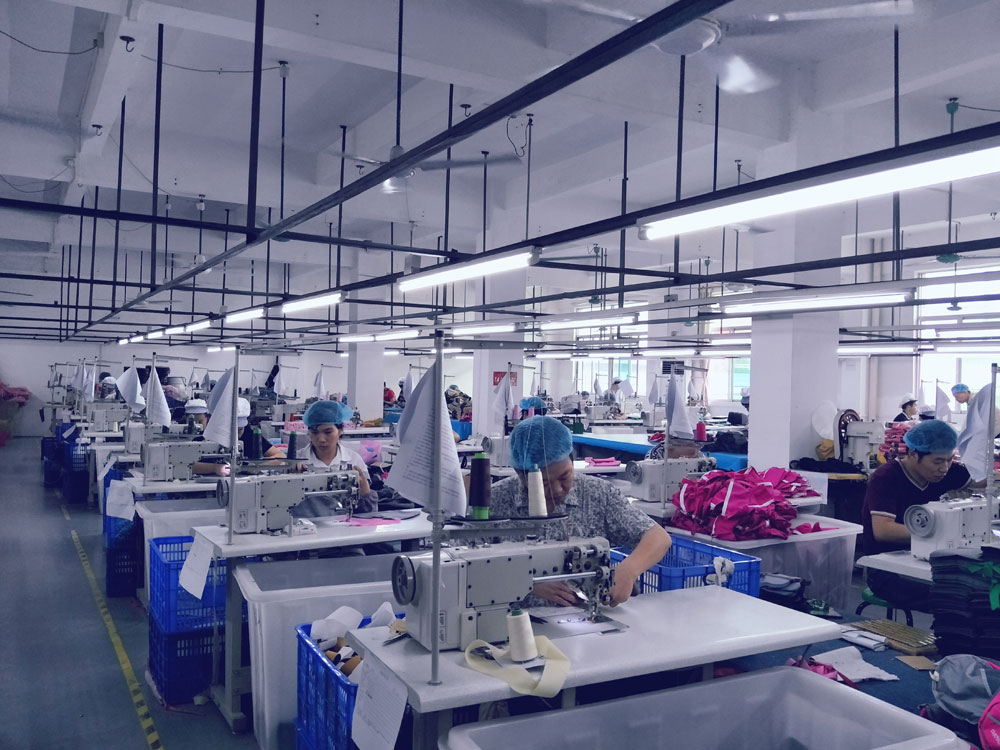
Quick answer: what makes Japanese bag orders repeatable?
A factory must turn the buyer’s brief into an approved sample and a production specification that everyone can follow. Purchasing, sampling, sewing, quality control, packing and the account team need to work from the same version. Risks should be reported early, changes approved before use, and delivery or complaint issues followed through to a documented resolution.
Before quoting, identify the rules behind the bag
Japanese buyers often send detailed inquiries, but even a thorough specification may leave some conditions unstated. When I receive artwork and a product brief, I first check material availability, color, print method, construction and production timing with purchasing and the sample team. Then I group the open questions and ask the buyer for one clear round of clarification.
Licensed merchandise needs particular care. On some Disney-related projects, the approved printing source and certain accessories had to meet project-specific Disney FAMA requirements. If those conditions are missed in an initial quotation, the actual cost can be very different from the estimate. A quote for licensed custom bags should therefore separate confirmed requirements from assumptions.
Disney FAMA project note: Senrong has experience with Disney FAMA-related factory audits and project coordination. This is not blanket permission to produce every Disney order. The buyer’s licensing arrangement, actual manufacturing facility, any subcontracted steps and the documents required for the specific project must still be checked. See Senrong’s factory credentials; the current buyer and Disney requirements govern each project.
I have also made the opposite mistake: pricing every uncertainty as a worst-case risk and ending up too expensive. The better approach is to verify the process and sourcing options first, then show the buyer which price conditions are confirmed and which still need a decision.
An approved sample is the reference for bulk production
A sample is not simply a demonstration of what the factory can make. It becomes the acceptance reference for the order. Dimensions, fabric, color, print placement, hardware, stitching and packing should be agreed as early as practical.
One lesson has stayed with me. A production team thought a small change to an artwork line would make printing easier, but the buyer had not authorized the change. For retail and licensed products, “small” is not the factory’s decision to make. If we find an issue while sampling, we should tell the buyer what has been corrected, what remains unresolved and what approval is needed before bulk work starts.
Color is another area where subjective judgment fails. Two bags may look close under ordinary lighting while the buyer still sees a difference in white purity, navy hue or print detail. Compare bulk output with the approved sample, color card or other agreed reference—not a verbal claim that it is “close enough.”
Quality depends on checks throughout the order
Sample approval is only the beginning. When bulk materials arrive, check their quality and color against the approved references and retain the relevant swatches or records. If purchasing, the sewing floor and quality control use different versions, a final inspection alone may not catch every discrepancy in time.
Japan-market retail programs often involve many SKUs, barcode labels and split shipments. A well-made bag can still create a receiving problem if a sticker is wrong, barcodes are mixed, carton marks do not match, or the packing list is inaccurate. Packing details belong in the production specification and should be checked by SKU before shipment.
Delivery dates may also be linked to a retailer’s shelf schedule. Roughly ten years ago, a three-day delay on an approximately 20-cubic-meter shipment forced us to arrange airfreight. That experience changed how I look at lead times. Material readiness, sample approval, line scheduling and packing milestones need early risk checks; a factory cannot wait until the last day to discover a delay.
Factory capabilities and people needed at each order stage
| Order stage | What the factory must do | People involved | Approval or record to retain |
|---|---|---|---|
| Inquiry and quotation | Check materials, printing, licensing conditions, capacity and delivery; identify unknowns. | Account manager, purchasing, sampling or process team, factory lead | Buyer specification, question list, quotation terms and version |
| Sample and approval | Follow the artwork and specification; disclose deviations; obtain approval before changes. | Sample maker, account manager, buyer’s approver | Approved sample, artwork version, color reference, change log |
| Materials and bulk sewing | Match incoming materials to the approved sample and inspect against one shared standard. | Purchasing, warehouse, production, quality control | Incoming-material record, retained swatch, inspection record |
| Packing and shipment | Verify stickers, barcodes, carton marks, quantities and delivery by SKU. | Packing line, quality control, warehouse, merchandiser | Approved packing sample, packing list, shipment check |
| Complaint and correction | Find the cause quickly and carry out corrective and preventive actions. | Account manager, quality control, production supervisor | Issue report, corrective plan, follow-up verification |
This is an experience-based checklist, not a substitute for the buyer’s specification, licensing terms or final inspection criteria.
Repeat business depends on people who follow through
An account manager should not answer every unfamiliar request with an automatic “no.” Equally, it is risky to promise “yes” before checking with the workshop. The useful response is to understand the result the buyer needs, confirm a feasible method and its cost with the factory, and then give the buyer an evidence-based answer.
Purchasing should flag supply risks. The sample team must respect the original artwork. Production needs to control construction, color and timing. Quality control must check labels and packing as well as the bag itself. After a call or chat, important changes should be confirmed by email or another traceable written record, so everyone follows the same version.
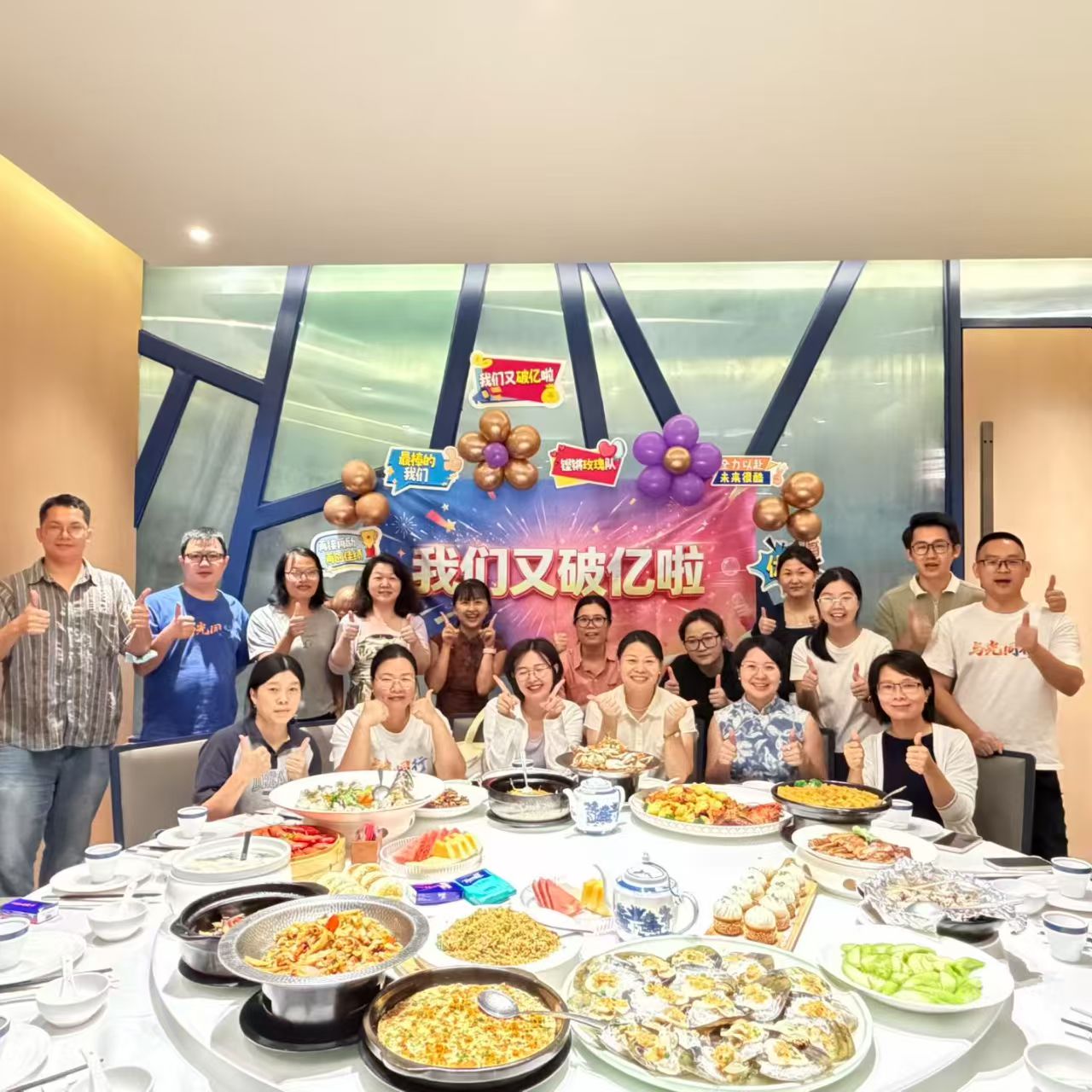
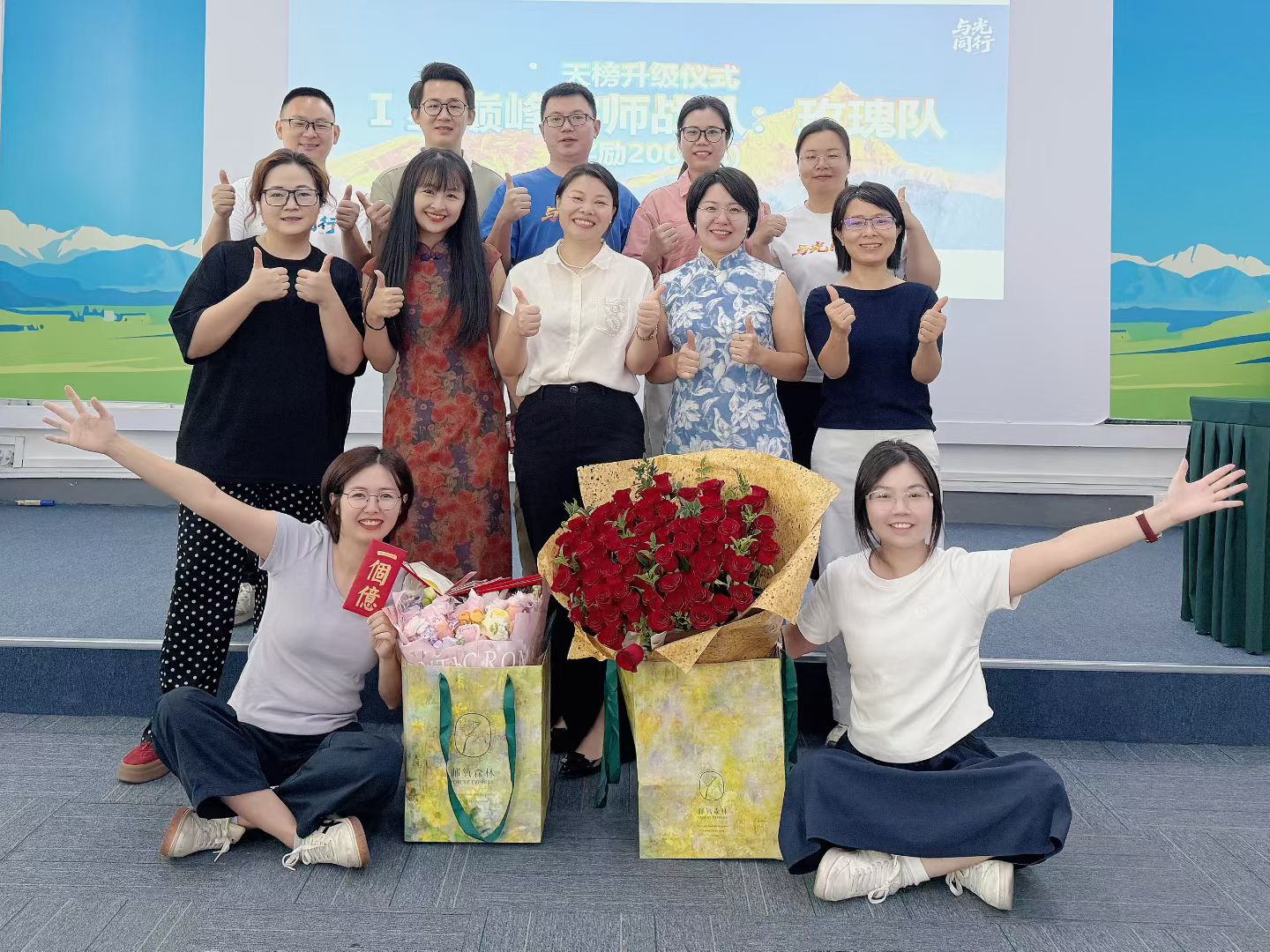
When a complaint arrives, I believe the first duties are to establish the facts, acknowledge the problem sincerely and propose an actionable response. Practical constraints can be explained, but should not be used as excuses. A written review, corrective owner and follow-up check are what make the buyer confident the issue will not simply recur.
Questions buyers ask about Japan-market bag orders
What capability should a bag factory have before taking Japanese retail orders?
It should be able to convert the buyer’s requirements into an approved sample, clear material and packing specifications, and a traceable production plan shared by purchasing, sewing, quality control and merchandising. Equipment and price matter, but repeat orders are difficult without consistent approvals and follow-up.
Does a Disney FAMA-related audit mean a factory may produce any Disney bag order?
No. The licensing relationship, actual manufacturing facility, subcontracted operations and project documents must be checked for each order. Factory-audit experience is not universal authorization.
What if the factory thinks a color is close but the buyer rejects it?
Return to the approved sample, color card or agreed inspection method. Check lighting, material and print-process differences, then submit a correction plan for approval rather than relying on a subjective “close enough” judgment.
How can a multi-SKU order avoid barcode and packing mistakes?
Prepare SKU-level packing instructions, approve sticker and barcode samples, check each style during packing, and reconcile carton marks, quantities and the packing list before shipment.
Planning custom bags for the Japanese market?
Share the intended style, artwork, estimated quantity, materials, delivery date and whether the order involves licensed characters. Senrong can then review sampling, construction and production coordination for your project.