Stitch by Stitch, Crafting Excellence: Eight Embroidery Techniques in Bag and Handbag Design
| No. | Craft Name | Features |
|---|---|---|
| 01 | Flat Embroidery | Smooth & delicate, vivid detailed patterns |
| 02 | Applique Embroidery | Fabric patch design, distinct layered texture |
| 03 | Towel Embroidery | 3D soft loops, warm tactile feeling |
| 04 | Brush Embroidery | Fluffy upright threads, unique stylish look |
| 05 | Cord Embroidery | Bold & unrestrained, strong textured surface |
| 06 | Sequin Embroidery | Dazzling shiny sequins, eye-catching glamour |
| 07 | Embroidered Patch Badge | Compact exquisite patches, perfect decorative highlight |
| 08 | Quilting | Dense tight stitches, durable long service life |
One stitch, one thread – craftsmanship brought to life.
Embroidery is more than surface decoration in bag and handbag design. It can define a brand, create tactile depth, strengthen a structure, or turn a simple canvas body into a memorable statement piece. This guide introduces eight practical embroidery and stitching techniques, explains their visual and technical characteristics, and shows where each one works best on bags.
1. Flat Embroidery: Fine Detail and Clean Lines
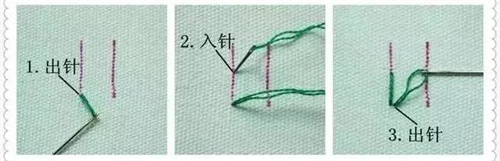
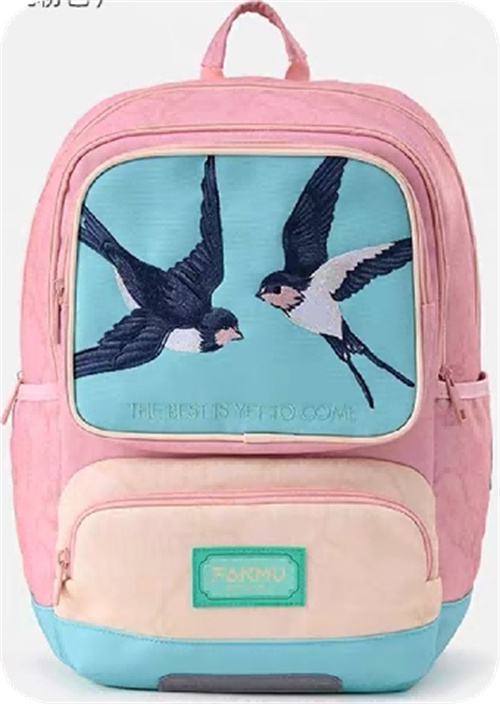
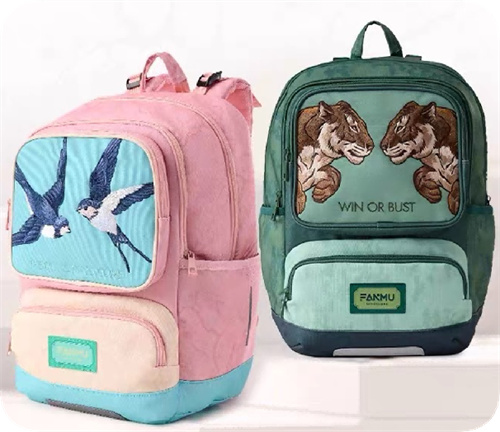
What it is. Flat embroidery is one of the most fundamental and versatile embroidery methods. Short, even stitches lie close to the fabric surface, producing smooth outlines, controlled color areas, and precise details.
Design value. Because the stitch surface remains relatively flat, this technique is ideal for logos, lettering, botanical motifs, animals, and other artwork that needs clarity rather than heavy texture. It creates an understated, refined look and works especially well on canvas, denim, twill, and other stable bag fabrics.
Best bag applications. Brand marks, small decorative motifs, front-panel artwork, pocket details, and bag-body text. For large embroidered areas, the base fabric should be properly stabilized to reduce puckering.
2. Applique Embroidery: Color Blocking with Layered Fabric
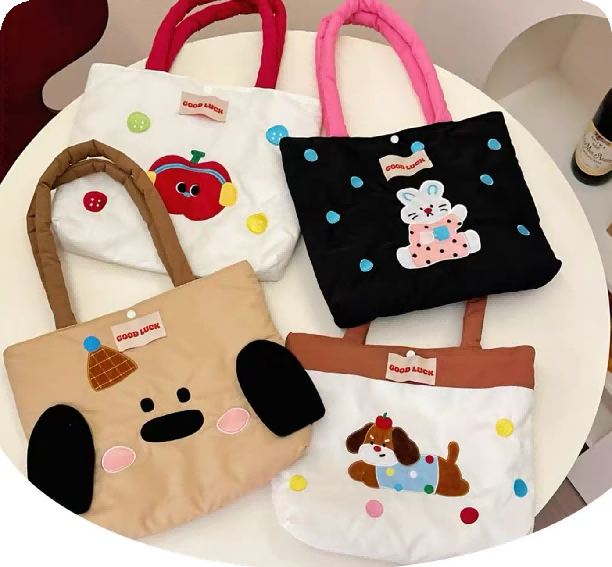
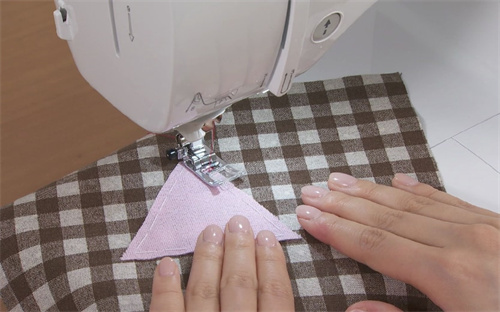
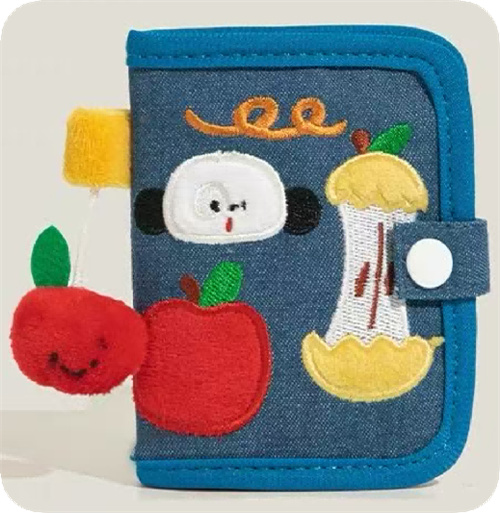
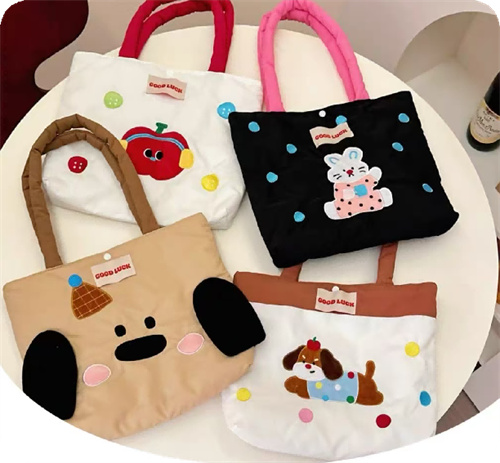
What it is. Applique – also called patchwork embroidery – uses shaped pieces of fabric placed on a base material. The pieces are secured around their edges with stitching, and additional embroidery may be added for outlines, facial details, or decorative accents.
Design value. Fabric replaces large fields of dense stitching, making bold color combinations and contrasting textures possible while reducing thread consumption. The result is playful, dimensional, and highly customizable.
Best bag applications. Large front-panel graphics, pocket decoration, straps, children’s bags, casual totes, and denim or canvas collections. Raw edges should be securely covered or overlocked to prevent fraying.
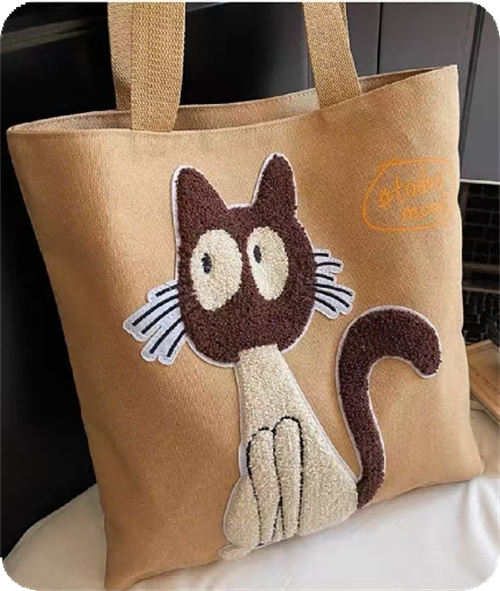
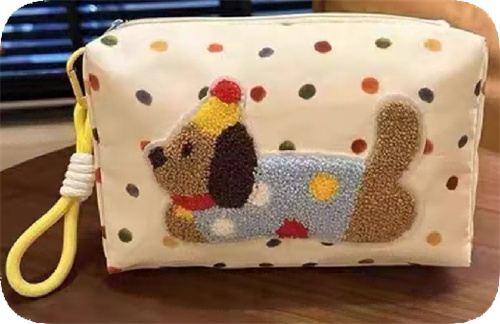
3. Chenille (Towel) Embroidery: Soft, Raised Texture
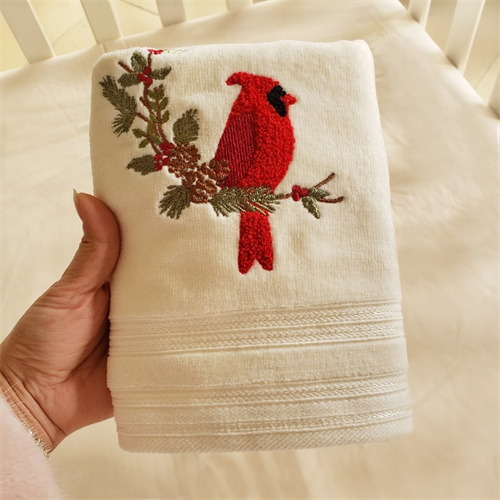
What it is. Chenille or towel embroidery forms raised loops of thread that resemble the soft texture of terry cloth. The looped structure gives the design a warm, plush surface and a clearly three-dimensional appearance.
Design value. Its visual softness and tactile appeal make animals, toys, lettering, and expressive graphic shapes feel lively and approachable. It is particularly effective when a design needs to communicate comfort or handmade charm.
Best bag applications. Decorative areas on totes, pouches, children’s bags, and casual backpacks. Because the loops can snag, avoid placing chenille embroidery on corners, bottoms, or other high-friction areas.
4. Brush Embroidery: Upright Loops with Strong Visual Impact
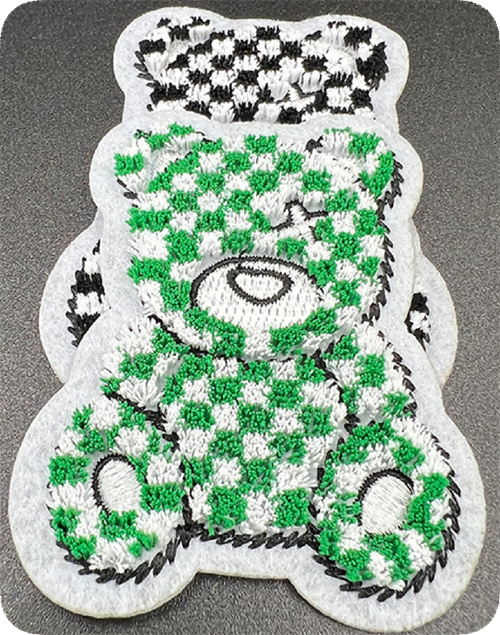
What it is. Brush embroidery is related to loop embroidery, but its loops are shorter, denser, and arranged to stand upright like the bristles of a brush. The compact pile creates a bold, sculptural effect.
Design value. The technique produces energetic lines and strong dimensional contrast. It can make a small logo or decorative patch appear more prominent without requiring a very large design area.
Best bag applications. Three-dimensional logos, statement emblems, bag tags, and focal graphics. The raised loops can deform under sustained pressure, so keep them away from heavily compressed areas.
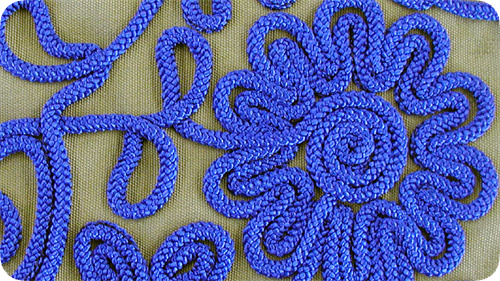
5. Cord Embroidery: Bold Relief and Heavy Texture
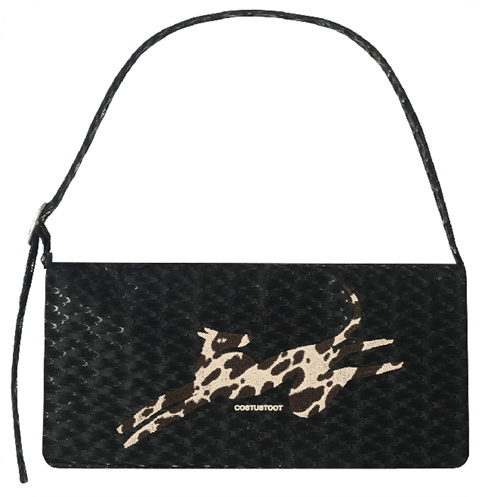
What it is. Cord embroidery uses a thicker cord or rope-like yarn in place of fine embroidery thread. The cord is couched or stitched onto the base fabric to create pronounced outlines and relief.
Design value. The heavier material creates a rugged, handcrafted character with immediate visual and tactile impact. Curves, borders, floral shapes, and large graphic lines are especially effective.
Best bag applications. Vintage-inspired bags, decorative borders, bold front-panel motifs, and designs that need a substantial texture. The cord weight and flexibility must be compatible with the base fabric to prevent distortion.
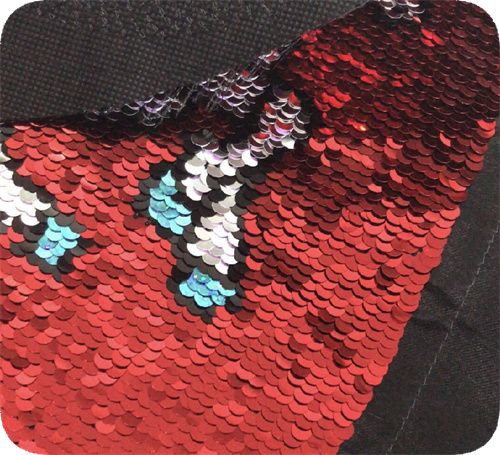
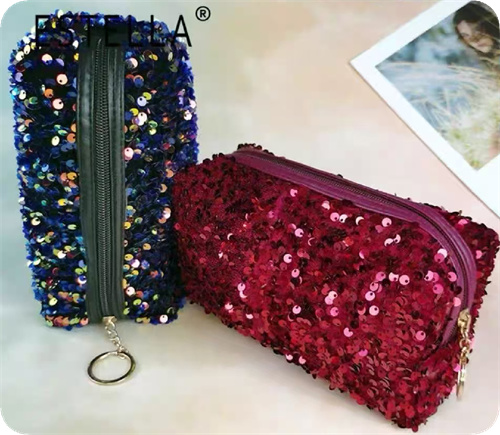
6. Sequin Embroidery: Light, Movement, and Sparkle
What it is. Sequin embroidery secures sequins of different sizes, shapes, and colors to fabric with thread. As the bag moves, the sequins reflect light and create a constantly changing surface.
Design value. Even a small sequin panel can become the visual focus of a product. The technique ranges from subtle highlights to fully covered, high-impact surfaces and is particularly effective for festive or fashion-led collections.
Best bag applications. Evening bags, cosmetic bags, fashion backpacks, pencil cases, and statement panels. Secure each area carefully and reinforce vulnerable edges because loose sequins can detach during use.
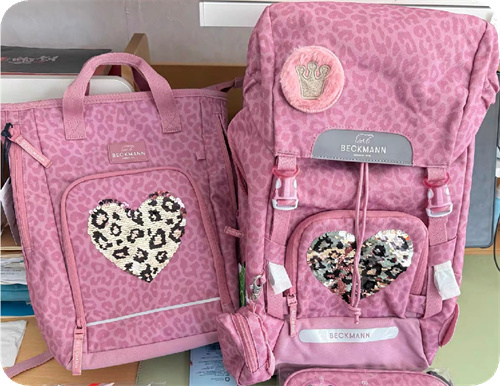
7. Badge Embroidery: Precise, Flexible Brand Storytelling
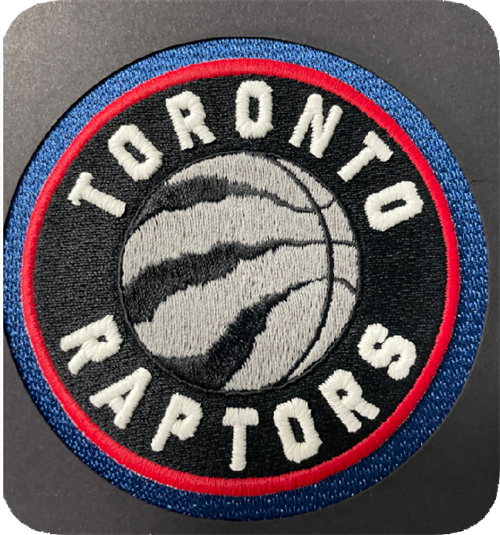
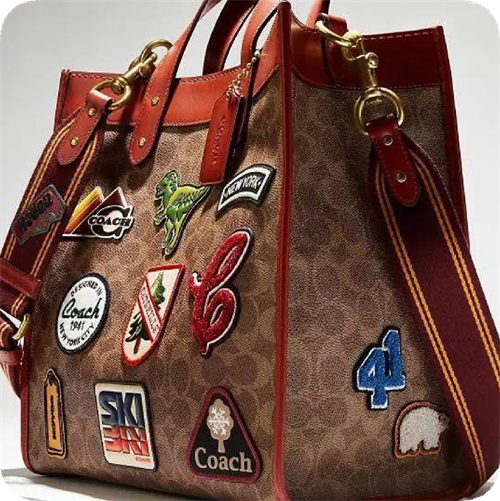
What it is. Badge embroidery uses pre-made embroidered emblems or patches that are sewn onto a finished bag or bag panel. Badges may combine fabric, thread, metal, plastic, or other materials.
Design value. Because the badge is produced separately, its artwork can be highly precise with neat, durable edges. Multiple badges can also be arranged, replaced, or collected to create a personalized story.
Best bag applications. Brand logos, team emblems, commemorative graphics, travel-inspired patches, and youth collections. Badge size, edge stiffness, and placement should match the structure and scale of the bag.
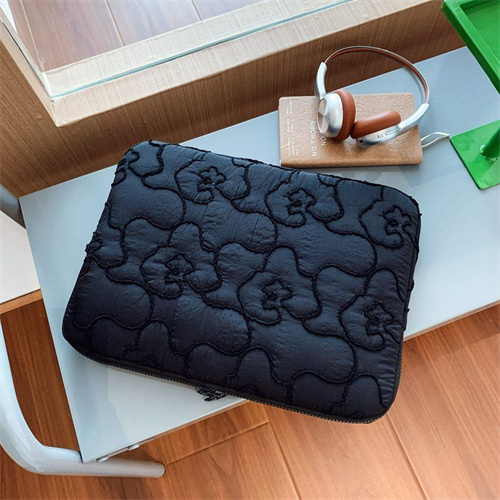
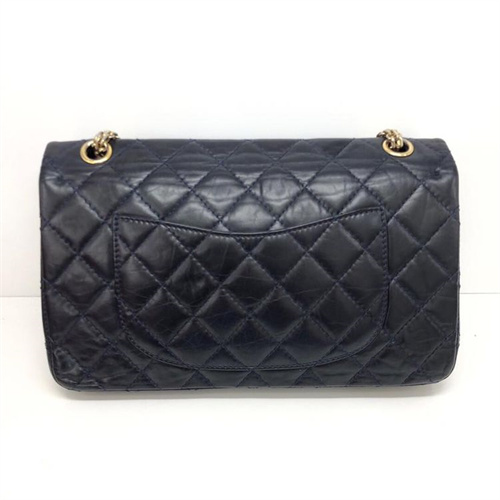
8. Quilting: Structure, Protection, and Timeless Dimension
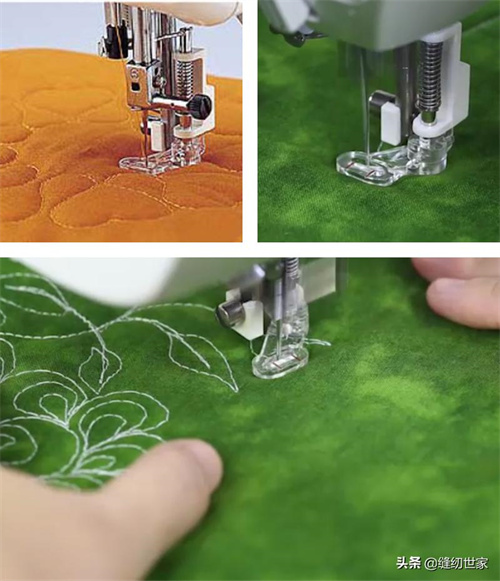
What it is. Quilting stitches the outer fabric, padding, and lining together. The stitch lines hold the layers in place while forming diamonds, waves, channels, or other decorative patterns.
Design value. Unlike purely decorative embroidery, quilting also reinforces structure, limits padding movement, and gives the surface a fuller three-dimensional appearance. Diamond quilting remains one of the most recognizable expressions of classic handbag design.
Best bag applications. Handbag bodies, padded laptop compartments, backpack panels, cosmetic cases, and insulated bags. Consistent spacing, even tension, and clean intersections are essential; skipped stitches quickly reduce both durability and visual quality.
Comparison of the Eight Techniques
| Technique | Core Character | Recommended Bag Areas | Production Note |
|---|---|---|---|
| Flat embroidery | Smooth, precise, color-rich | Logos, lettering, small motifs | Stabilize large areas to prevent puckering |
| Applique | Layered color and fabric contrast | Large graphics, pockets, straps | Secure edges to prevent fraying |
| Chenille | Soft, plush, warm texture | Decorative body panels | Avoid high-friction positions |
| Brush embroidery | Dense upright pile, strong relief | 3D logos, badges, focal motifs | Avoid areas exposed to heavy pressure |
| Cord embroidery | Bold lines and substantial texture | Borders and vintage-style graphics | Match cord weight to the base fabric |
| Sequin embroidery | Sparkle, movement, high decoration | Fashion bags and cosmetic pouches | Reinforce stitching to reduce sequin loss |
| Badge embroidery | Precise, modular, easy to customize bag | Brand marks and decorative patches | Match badge size and stiffness to placement |
| Quilting | Structured, padded, durable | Bag bodies and padded compartments | Keep stitch lines even and avoid skipped stitches |
Choosing the Right Technique
The best embroidery method depends on the bag’s fabric, position, intended use, and desired brand expression. Flat embroidery and badges deliver clarity; applique and sequins create immediate visual impact; chenille, brush, and cord embroidery add tactile identity; and quilting combines decoration with structural performance. When the technique is selected with production constraints in mind, embroidery becomes an integral part of the bag – not simply an added ornament.